No-Bullshit guide to company annual meetings
This article reflects thoughts I had long before AI became widespread. Most of it still applies today; even more now that AI is everywhere and raising new concerns. Before AI, you could skip these meetings and get away with it. If things were stable and predictable, alignment could wait.
Not anymore.
AI is reshaping everything. It creates many questions. And when people don’t have answers, they start guessing, drifting, or worse, moving in different directions.
That’s why these meetings are no longer “nice to have”. They’re where you cut through the noise, realign fast, and decide what actually matters.
You know exactly what I’m talking about. Those meetings where everyone pretends to listen, nodding like dashboard bobbleheads, while secretly planning their holidays on instagram under the table. The kind of meetings where the only real achievement is surviving without falling asleep. Most annual meetings are pure bullshit. They’re a performance, a way to pretend everything is fine even when it’s not.
Our dear President Macron said “We can’t say we failed, just that we didn’t succeed.” Classic corporate bullshit.
So, how do you avoid this trap? How do you run meetings that actually matter, that people don’t dread, and that might even be enjoyable? Let me tell you a story about how we accidentally figured it out at BearStudio.
Are your agency meetings a waste of everyone’s time?
The truth is most agency meetings exist solely to make the managing team feel good about themselves. We gather around, drop some numbers nobody cares about, and pretend we’re steering the ship. But in reality, we’re just drifting aimlessly, hoping nobody notices. It’s like those endless PowerPoint presentations filled with graphs and charts that nobody understands or cares about. You know, the ones where the presenter reads every single number out loud, as if we can’t read ourselves. These kinds of meetings are just number-dropping sessions without clear direction, a waste of everyone’s time.
From chaos to clarity: how we accidentally fixed our meetings
When I started BearStudio, we were seven shareholders. One day, one of them jokingly asked if I planned to hold shareholder meetings. He laughed, I laughed, but then I thought: “Wait a minute, that’s actually a good idea.” So, from day one, we decided to hold these meetings every six months. At first, it was pure chaos, more like group therapy than a business meeting. We analyzed our mistakes, tried to learn from them, and mostly just vented about everything that went wrong.
But after two or three of these chaotic sessions, something interesting happened. We started noticing patterns. Recurring problems emerged, clear as day. Suddenly, we weren’t just complaining but instead were identifying real issues and setting concrete goals. For example, we decided to: invest more in open-source projects, topic about which I wrote articles; and grow our team. Without even realizing it, our messy retrospectives had turned into structured strategy sessions.
The art of running meetings people actually want to attend
Meetings should be about real challenges, real stakes, and real storytelling. At BearStudio, we openly share our financial data to give everyone a strategic vision. We explain revenues, costs, and profits clearly. If I see eyes glazing over, I skip the details. Nobody wants to hear me read numbers off a slide.
Sometimes, I even show up with problems I haven’t solved yet. But I always come with a plan. Employees know when you’re bluffing, so I won’t pretend everything is perfect. I openly admit our challenges, share our plans. Copy me and watch your team rally behind you.
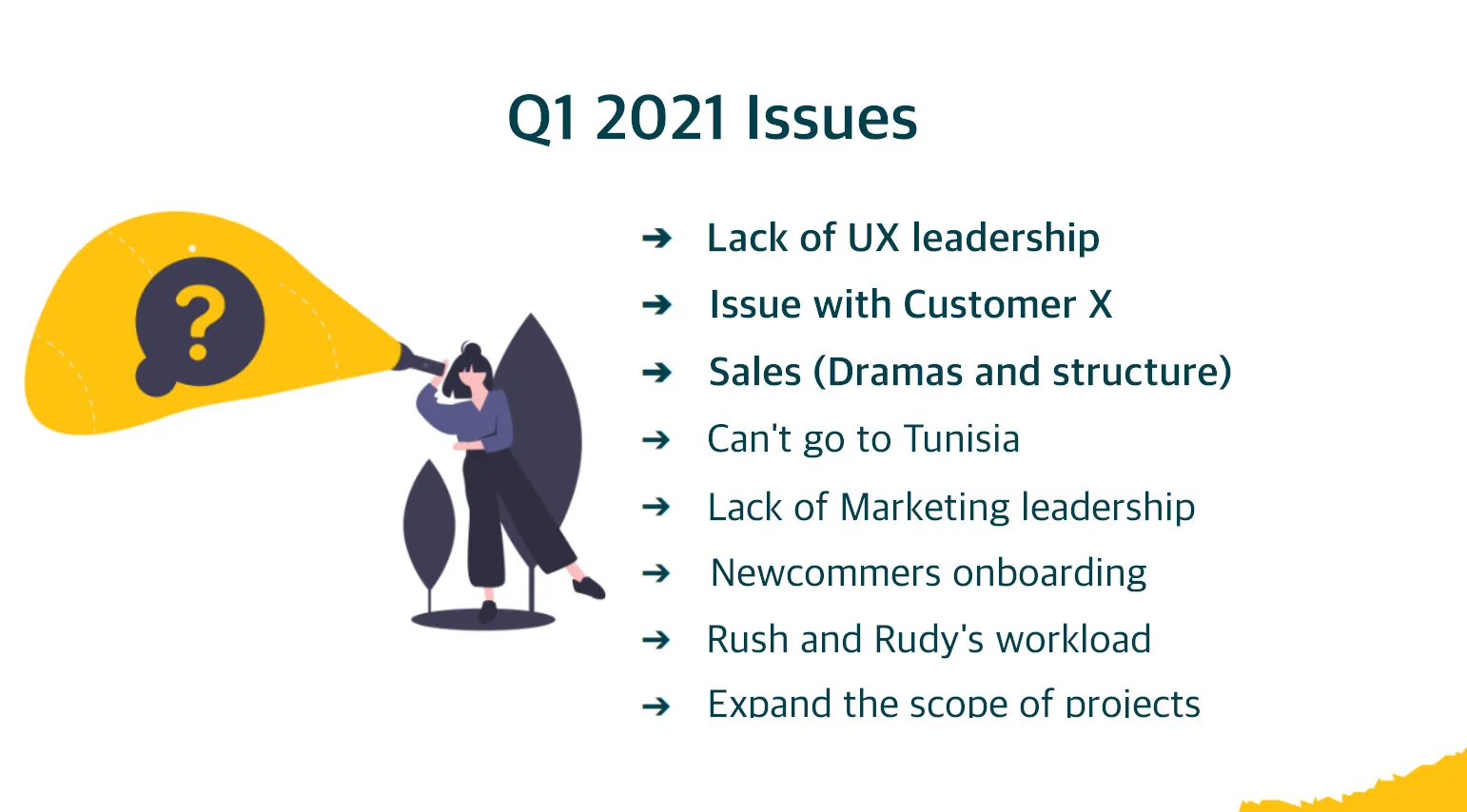
Transparency made employees think like owners
When we share our actual numbers (revenue, costs, cash burn rate, and client conversion timelines), we’re not just being transparent for the sake of it; we’re giving our team the strategic context they need to make better decisions every single day.
Our engineers suddenly understand why closing deals faster matters when they see our cash burn rate, and they grasp client urgency when they understand our conversion metrics. Everyone knows exactly what everyone else earns, which might sound radical, but it eliminates the guesswork and politics that usually poison team dynamics.
This isn’t about impressing anyone with big numbers or hiding behind pretty charts. It’s about creating a shared reality where a developer can have a more meaningful conversation with a client because they actually understand the business stakes, where everyone can see how their individual work contributes to the bigger picture, and where decisions get made faster because no one’s operating in the dark. When your team has the same information you do, they start thinking like owners instead of just employees, and that shift in perspective creates the kind of cohesion you can’t fake with team-building exercises or motivational posters.
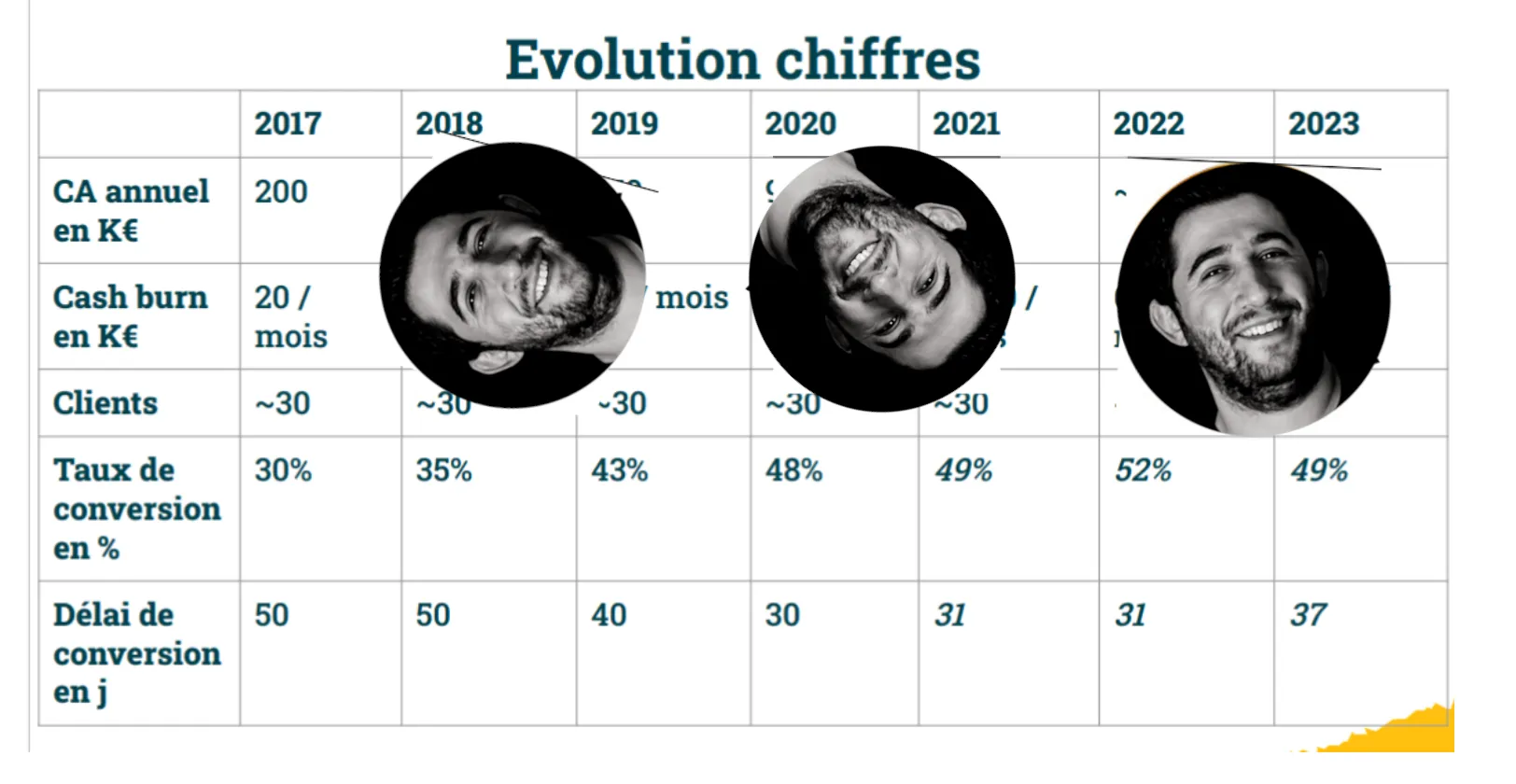
This is a real slide, I share the data with the team but not with the world :)
Why radical transparency is your best strategy
In my previous job, meetings were like a beauty contest: everyone tried to hide their failures, afraid of being punished. But at BearStudio, I decided to flip the script. I’m the majority owner, so nobody can fire me for being honest. This freedom allowed me to embrace radical transparency. And it became our biggest strength.
For example, everyone at BearStudio knows exactly how much everyone else earns. Sounds scary? Maybe. But it creates trust, responsibility, and a genuine sense of ownership. When you have nothing to hide, you have nothing to fear. Transparency isn’t just ethical, it’s strategic.
Post-meeting teambuilding: the cherry on the top
Human connection is ridiculously powerful when you’re trying to build trust between people who work together. That’s why our meetings don’t end when the PowerPoint presentation wraps up. Instead, we head to restaurants together. Good food, good wine, good company turns colleagues into people who genuinely enjoy each other’s presence.
This isn’t just about being nice. When people trust each other and actually like spending time together, they communicate more openly, share ideas more freely, and solve problems faster. The real work often happens over that shared meal, not during the formal presentation.
Think about it: would you rather end your meeting and scatter back to your desks, or continue building those relationships over a delicious meal? One approach creates transactional colleagues. The other creates a team that actually wants to succeed together.

Yes, sometimes there are people who turn over, even with your best effort…
Conclusion: if your meetings suck, it’s probably your fault
If your meetings are boring, unproductive, or dreaded by your team, it’s because you’ve allowed them to become that way. But the good news is, you have the power to change it!
Transparency, structure, storytelling, and explaining the “why”. That’s all it takes to transform meetings from boring obligations into powerful tools for alignment, team cohesion and give them a reason to care.

Rudy Baer
Founder and CTO of
BearStudio,
Co-founder of
Fork it! Community! &
Peinture